TERMITE AUTHORITY HUB

Arizona Termites, Explained — Inspection → Treatment → Prevention

If you’re a Phoenix-area homeowner, this page is your “one-stop” termite guide: how to spot signs, how we inspect, which treatment fits your home, and how to stop reinfestation—without the fear tactics.

Phoenix Metro + East Valley focus
Subterranean & Drywood guidance
Clear “what to do next” steps

Common Termite Signs in Arizona Homes

Termites rarely “announce themselves.” Most homeowners notice damage, not the colony. Before choosing treatment, review our Arizona termite inspection process to confirm activity and identify pressure zones correctly.

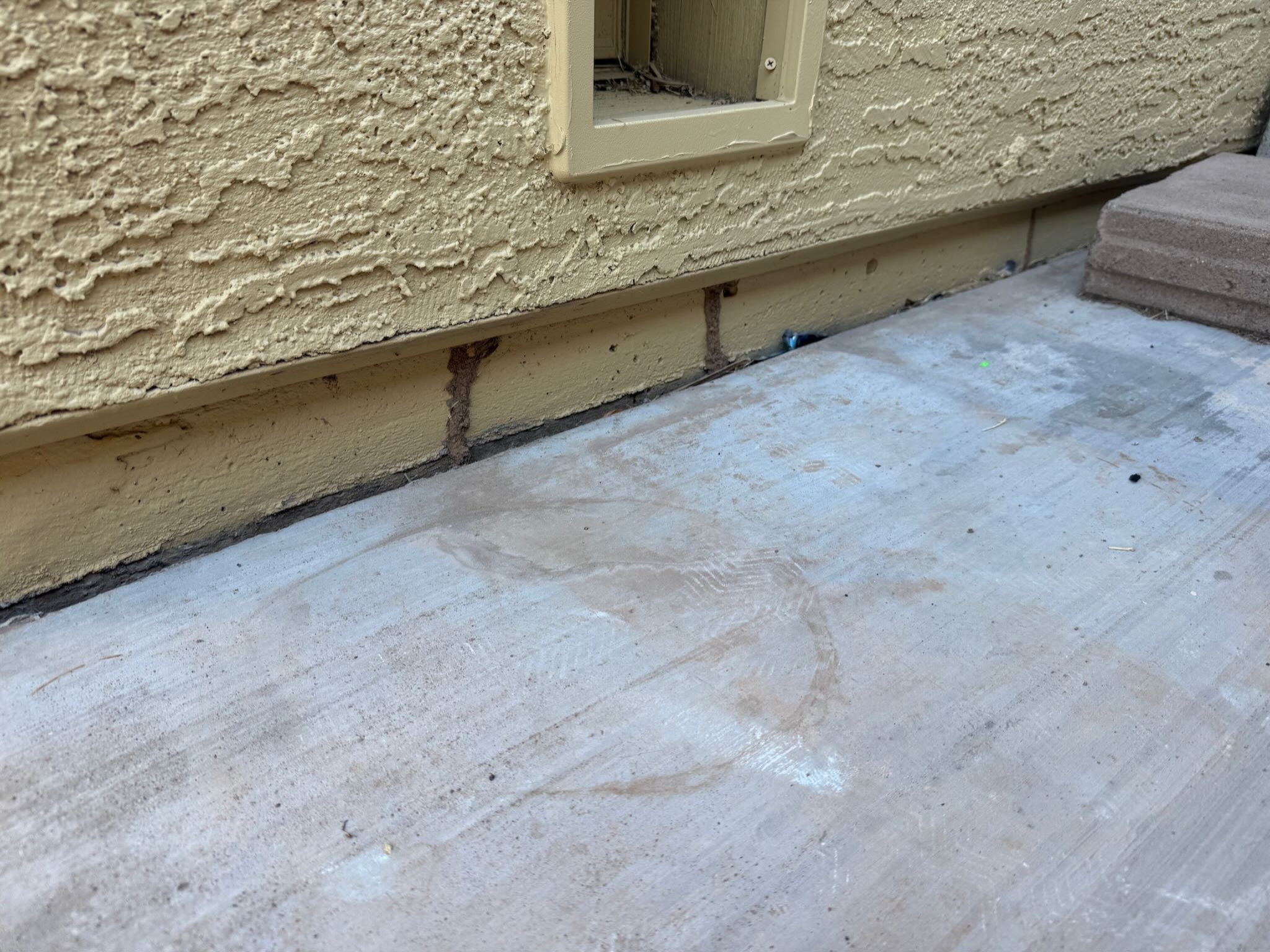
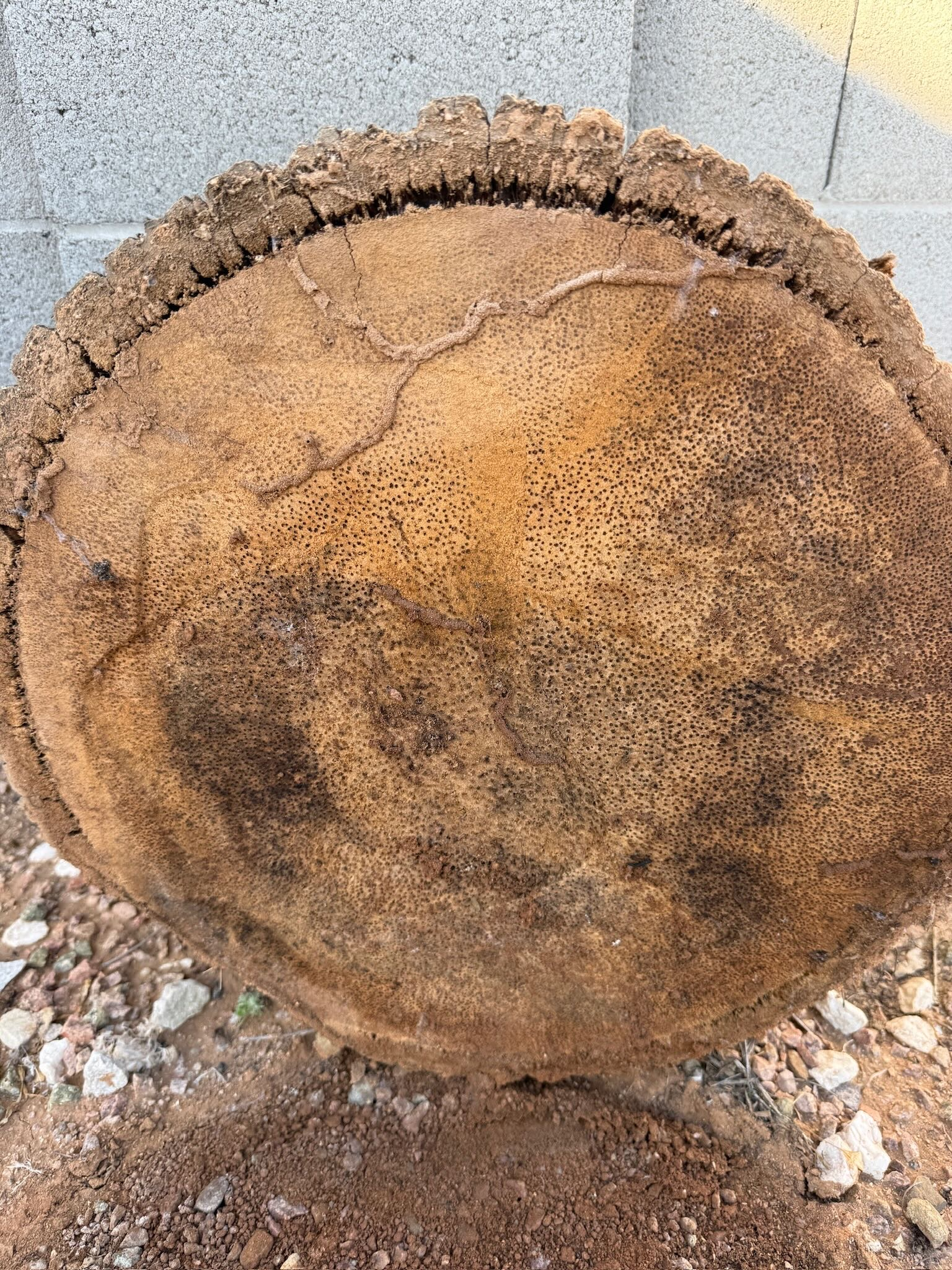
  • Mud tubes along foundations, stem walls, garage edges, or block walls
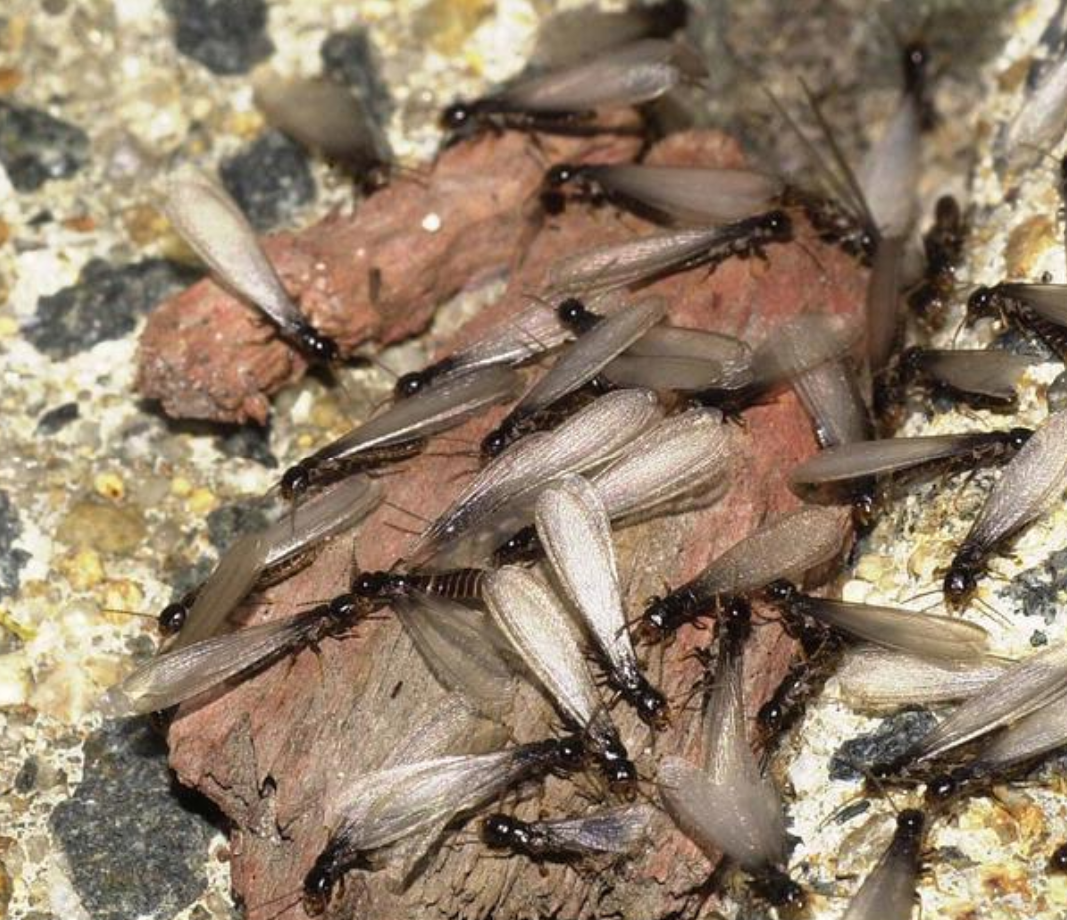
  • Swarmers / discarded wings near windowsills or lights
  • Hollow-sounding wood on baseboards, trim, door frames
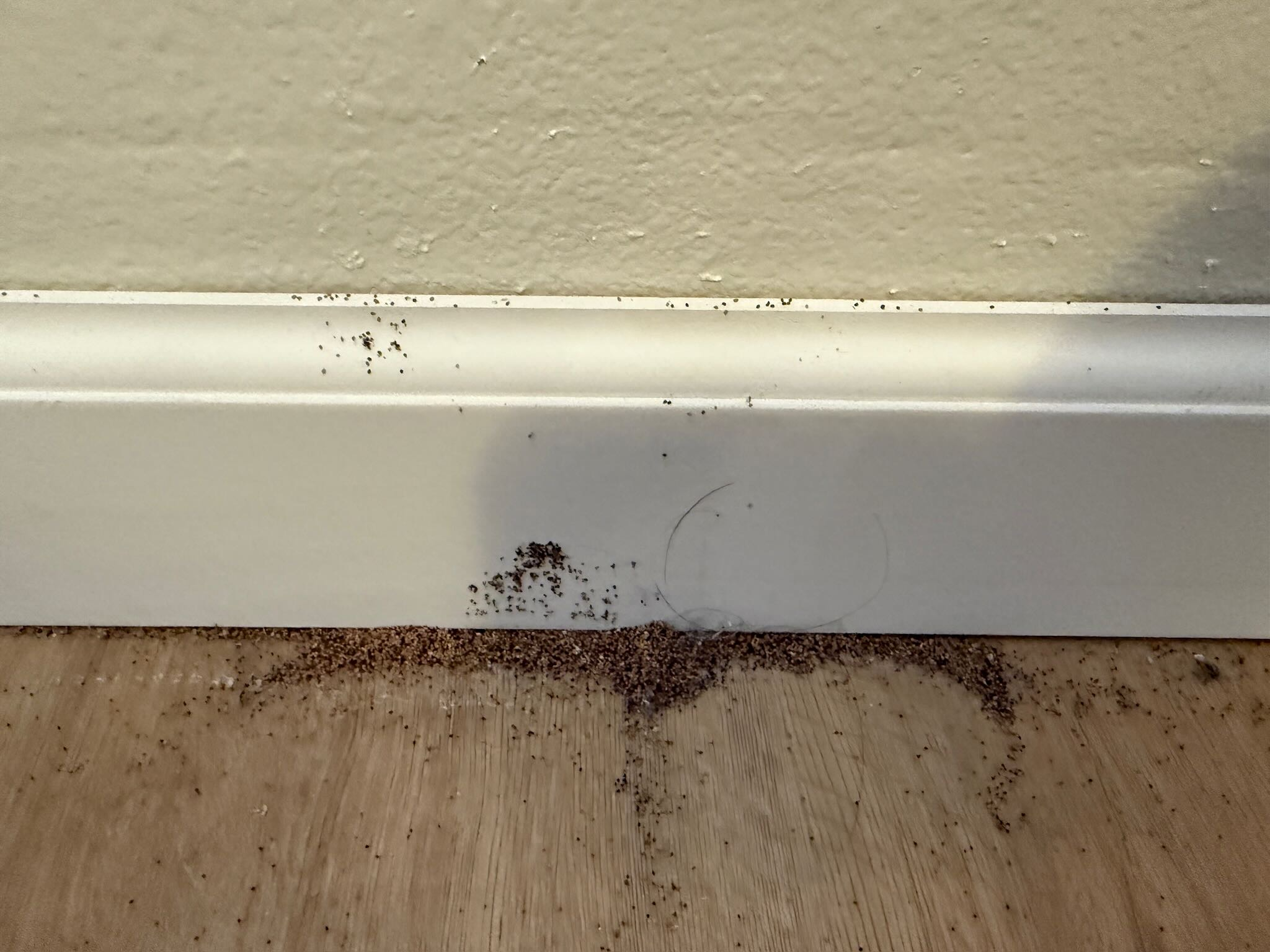
  • Drywood frass (pellets) that looks like sand/pepper piles near kick-out holes
REAL-WORLD EXAMPLES
What Homeowners Usually See
Subterranean termite mud tubes on Arizona foundation
Mud tubes (subterranean)
Discarded termite wings near windowsill in Arizona home
Wings / swarmers
Drywood termite frass pellets on floor near baseboard
Drywood frass (pellets)
Termite damaged wood showing hollowed galleries
Hollow / damaged wood
INSPECTION SYSTEM

How We Inspect for Termites (Arizona)

In Arizona, termite pressure is real — but the answer isn’t panic. It’s a repeatable system: confirm activity, locate entry pressure points, then map the right perimeter.

1
Exterior + Foundation Scan
We check tubes, shelter lines, expansion joints, and moisture transitions.
2
Garage + Entry Points
Common discovery zones: stem walls, edges, penetrations, stored-wood contact.
3
Interior Confirmation
Baseboards, door frames, wall-floor junctions, plumbing walls, windows.
4
Treatment Map + Options
Liquid, bait, or hybrid — chosen based on access, pressure, and construction.

Termite Treatment Options (AZ)

The “best” termite treatment depends on access, construction type, and pressure zones. For a deeper breakdown, explore our full termite treatment guide explaining when liquid, bait, or hybrid systems perform best.

FAST BARRIER
Liquid Soil Treatment
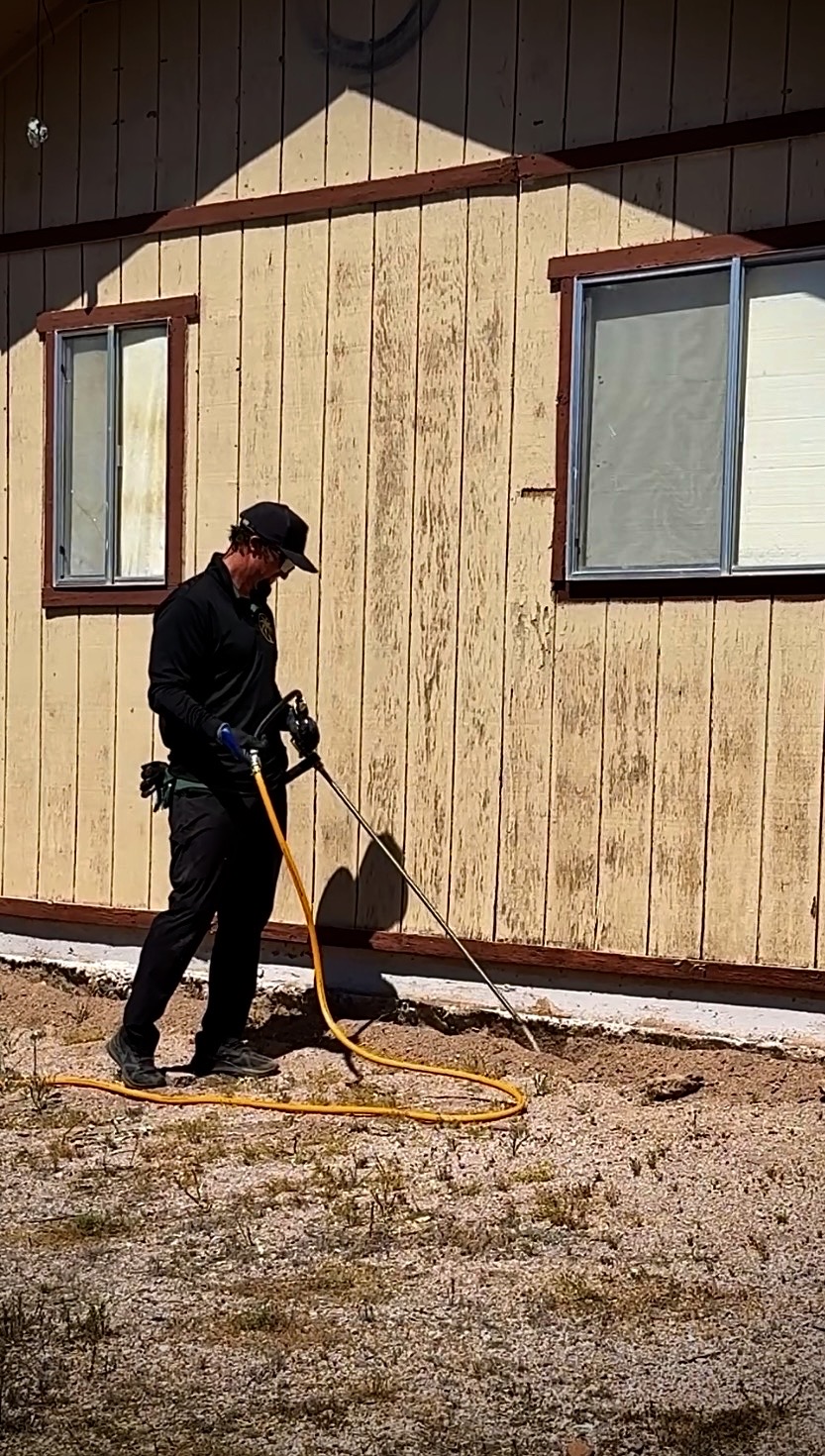
Creates a treated zone in the soil where subterranean termites travel. Often the fastest path to control when trenching/drilling access is strong.
Best fit when:
  • We can trench along key perimeters
  • Entry pressure is close to the foundation
  • You want a direct “treated zone” approach
LOW DISRUPTION
Bait Stations
Monitoring + colony-impact strategy that can be ideal when trenching/drilling is limited. Great for long-term perimeter oversight.
Best fit when:
  • Hardscape limits trenching access
  • You prefer ongoing monitoring
  • You want minimal disturbance to the home
WHAT THIS LOOKS LIKE
Real-World Treatment Steps
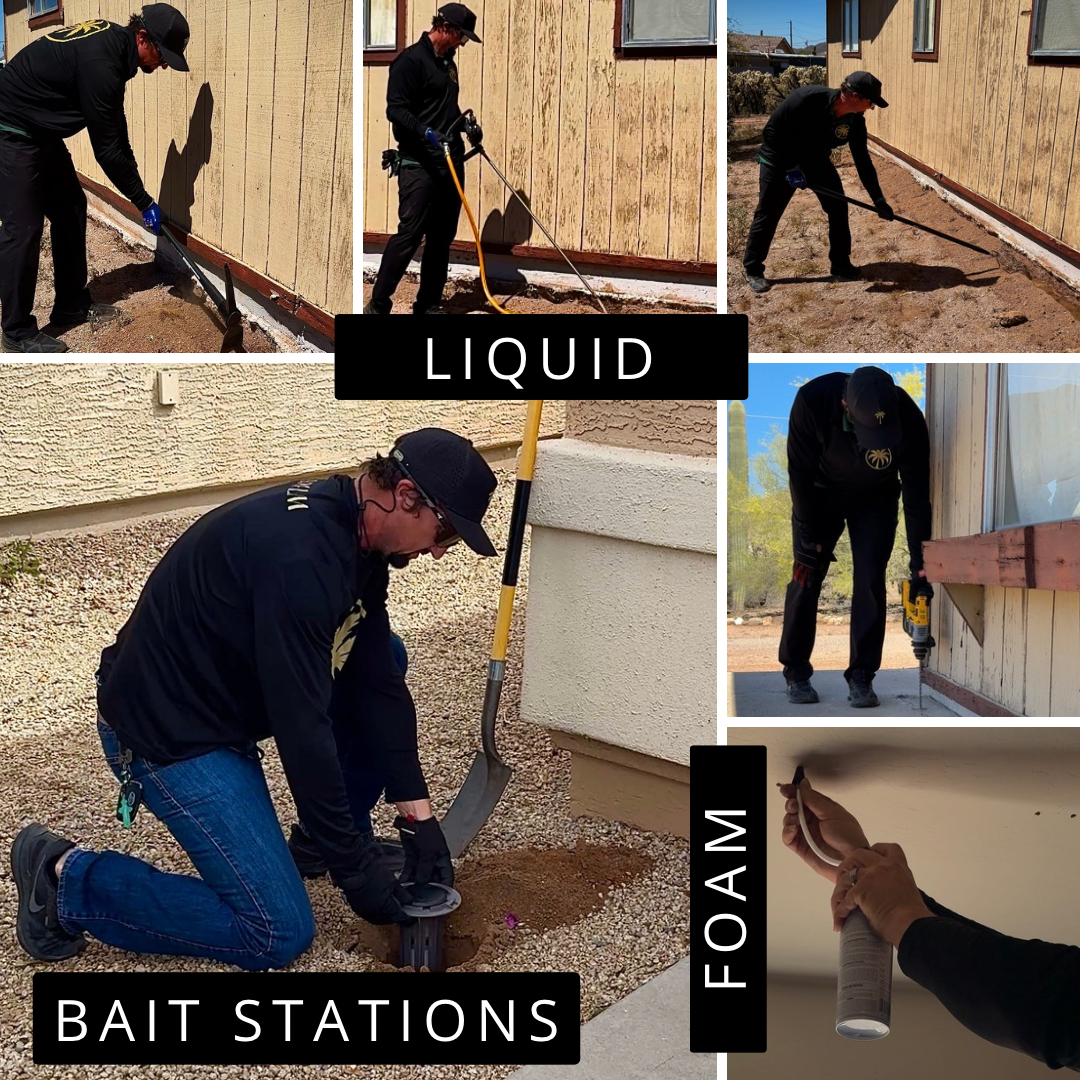
Termite liquid treatment trenching or drilling around foundation
Liquid: trenching / drilling to protect key edges
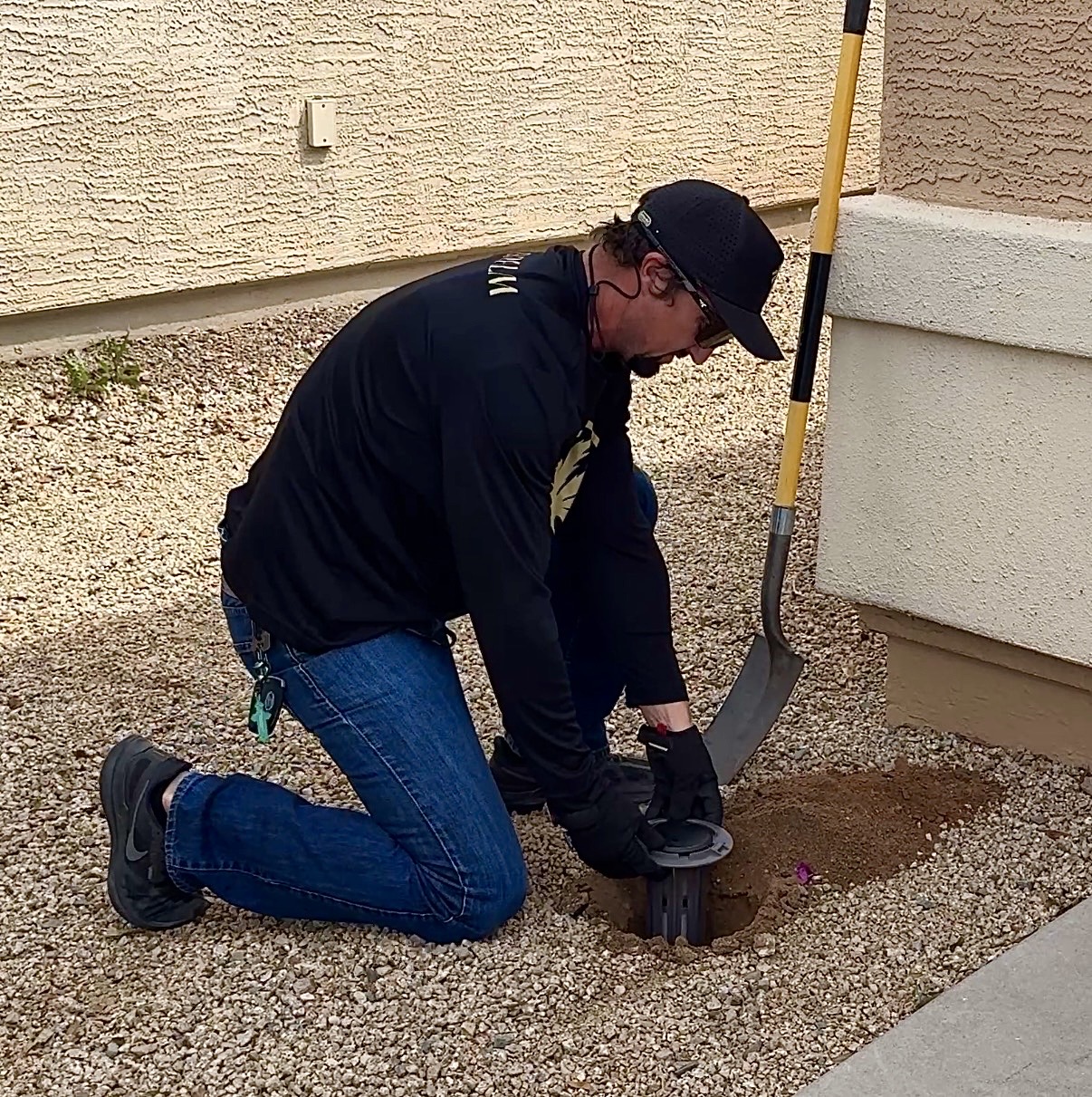
Installing termite bait station in Arizona yard
Bait: stations installed for monitoring + colony impact
Hybrid termite treatment combining liquid perimeter and bait stations
Hybrid: layered protection for mixed-access homes

What Drives Termite Treatment Cost in Phoenix-Area Homes

The biggest cost swings usually come from access and construction — not how dramatic the damage looks. Review the full termite cost guide to understand what impacts pricing in Arizona homes.

Trenching vs Hardscape
Pavers, concrete, and tight edges can change how we create an effective treated zone.
Drilling Needs
Some foundations / porches / patios require drill patterns to reach the right zones.
Foam / Void Work
If activity is localized in voids, targeted void work can be part of a smart plan.
Perimeter + Station Count
Bait systems scale with the perimeter and how we space monitoring points.

Termite Control Near You

Choose your city page for local termite pressure notes, common construction patterns, and what treatment tends to work best in your area.

ARIZONA TERMITE REALITY

Why Arizona Homes Need Arizona-Specific Termite Logic

Generic termite advice misses what matters in Phoenix-area construction. If you want the fastest path to clarity, start with a structured inspection, then choose a plan that fits access and pressure zones — not a one-size pitch.

  • Slab + expansion joints can create hidden entry pathways
  • Monsoon moisture swings can shift activity patterns fast
  • Garage edges + stem walls are common discovery zones
  • Hardscape access influences whether liquid, bait, or hybrid is smartest

Termite FAQ (Arizona)

Straight answers to the questions homeowners ask most.

It depends on access and pressure zones. Liquid is strong when trenching/drilling access is good. Bait stations are strong for monitoring and long-term perimeter protection, especially when hardscape limits trenching. Hybrid combines both where it makes sense.
Next Step • Confirm & Build Your Plan

Want certainty? We’ll confirm what you’re seeing — fast.

If you found anything suspicious (mud tubes, pinholes, pellets/frass, or repeat moisture at the foundation), a professional inspection lets you stop guessing and choose the right treatment path.